Designing with Small Garden Trees (Smart Ideas for Beautiful Spaces)
Designing with small garden trees helps you add beauty, shade, and structure to limited spaces. These trees are perfect for small gardens because they don’t take much space but still improve the look and feel of your outdoor area.
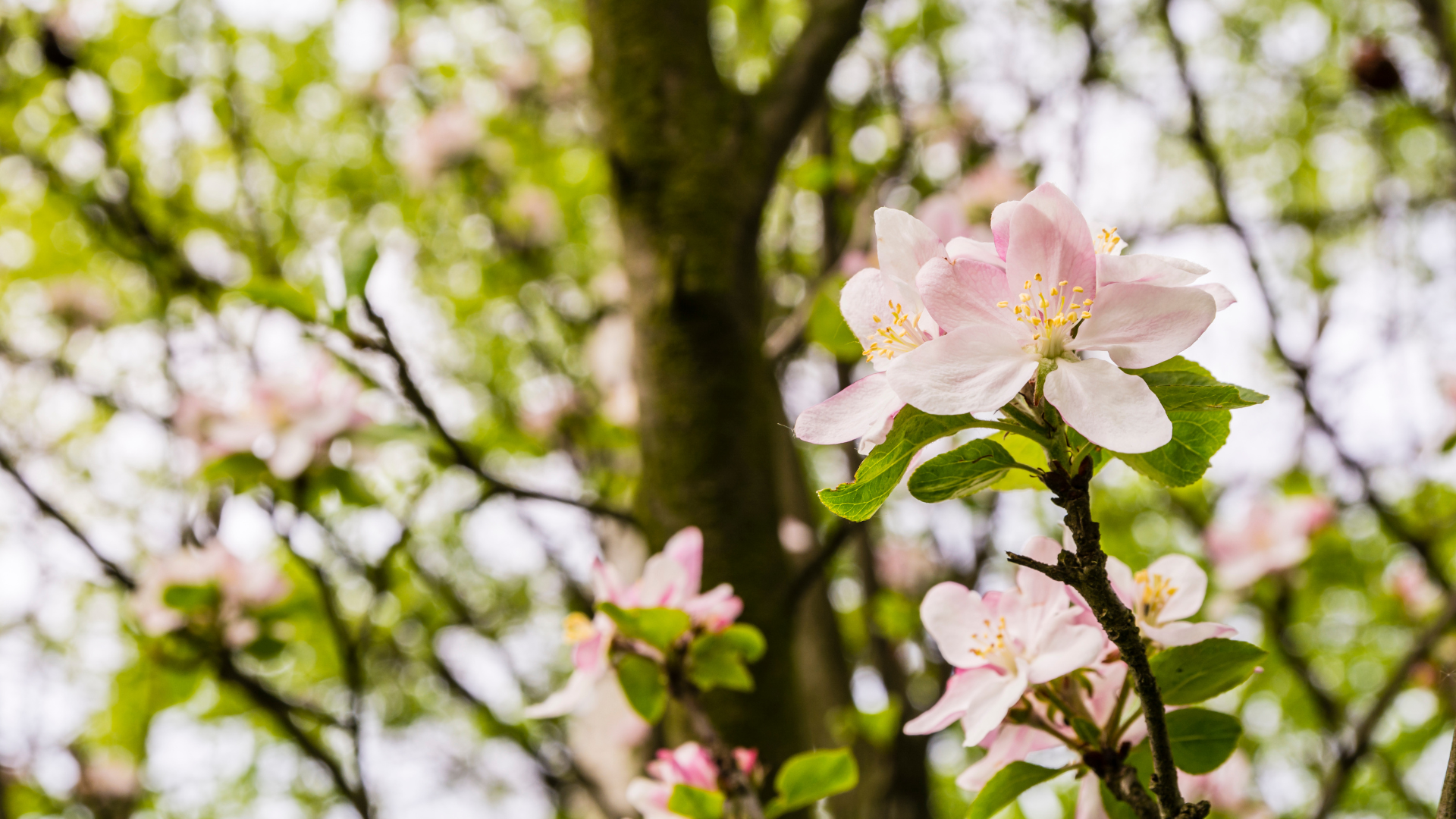
Not everyone has a large garden, but that doesn’t mean you can’t create something beautiful. Small garden trees are a great way to bring life, color, and structure into your outdoor space without making it feel crowded. They are especially useful in modern homes where outdoor areas are smaller and more compact.
Today, more people are using their gardens for relaxing, dining, or spending time with family. Because of this, thoughtful design has become very important. Small trees are easy to manage, look attractive throughout the year, and can completely change how your garden feels. With the right approach, even a small space can look stylish and peaceful.
What Are Small Garden Trees?
Small garden trees are trees that grow to a limited height and spread, making them suitable for compact spaces. Most of these trees grow between 3 -6 meters tall and can be easily controlled with regular pruning. They are ideal for small gardens, patios, and even container planting.
Small garden trees are trees that grow to a limited height and width. They are ideal for compact spaces.
Examples include:
Japanese maple
Olive tree
Dwarf flowering trees
Why Use Small Trees in Garden Design
Small trees offer many benefits, especially in limited spaces. They save space while still adding height and structure, which makes your garden look more balanced. They can provide light shade, improve the overall appearance, and create a natural, calming environment.
Why this matters
In smaller gardens, every part of the space is important. Using small trees allows you to make the most of vertical space without making the area feel tight or cluttered. This helps your garden look bigger and more inviting.
How to Choose the Right Small Garden Tree
Choosing the right tree depends on several factors.
Garden Size
First, consider the size of your garden and make sure the tree will fit comfortably when it is fully grown.
Climate
Climate is also important, as some trees grow better in warm conditions while others prefer cooler environments.
Sunlight
You should also think about how much sunlight your garden receives, since some trees need full sun while others grow well in partial shade.
Maintenance
Maintenance is another key point, as some trees require regular pruning while others need very little care.
Purpose
Finally, decide your purpose, whether you want shade, decoration, or even fruit.
Best Small Garden Trees for Design
Japanese Maple
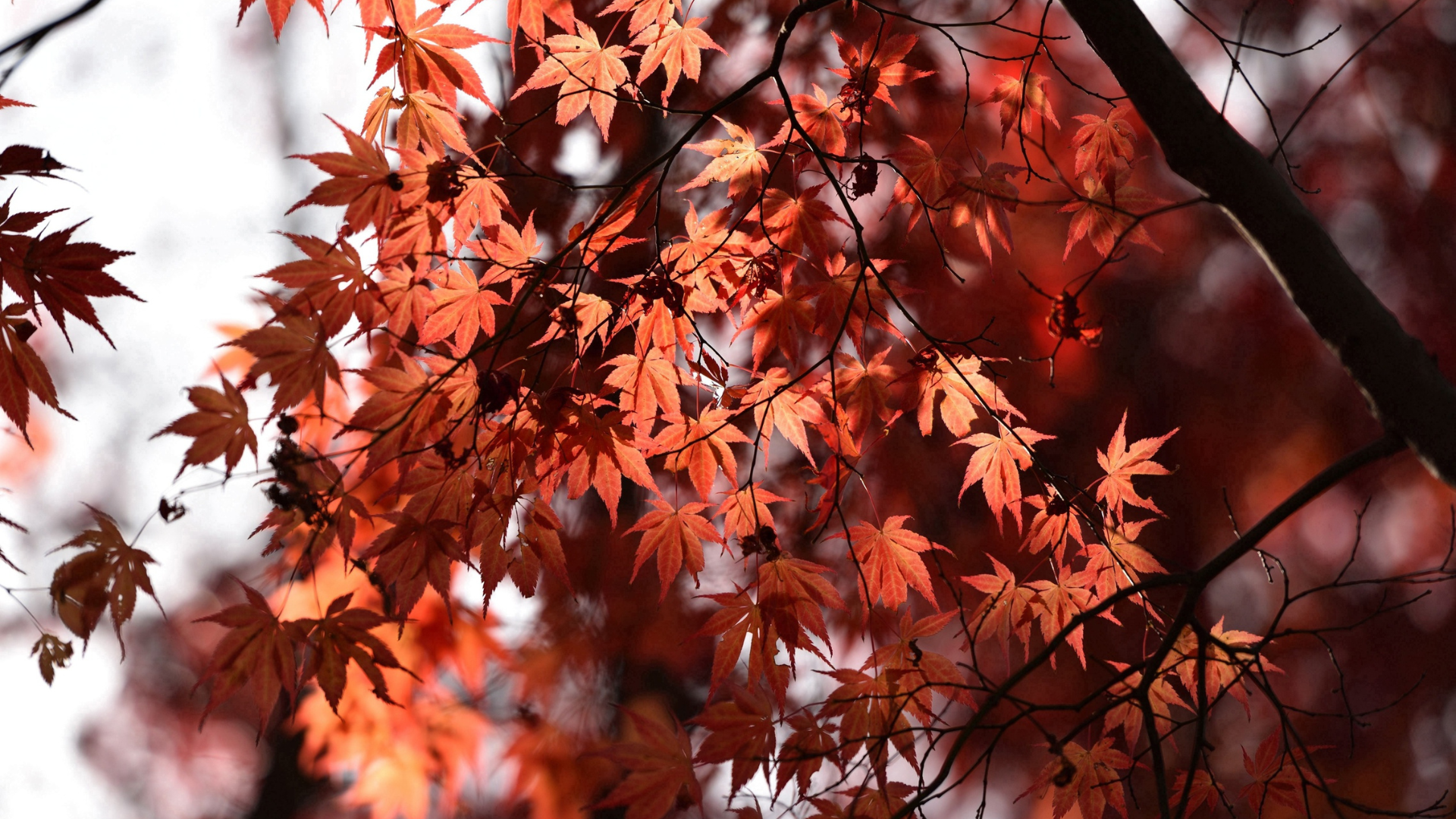
Japanese maple is one of the most popular small garden trees because of its beautiful leaves and elegant shape. Its red or green foliage adds color and interest, making it a great focal point in any garden. It works especially well in modern or minimalist designs.
Olive Tree
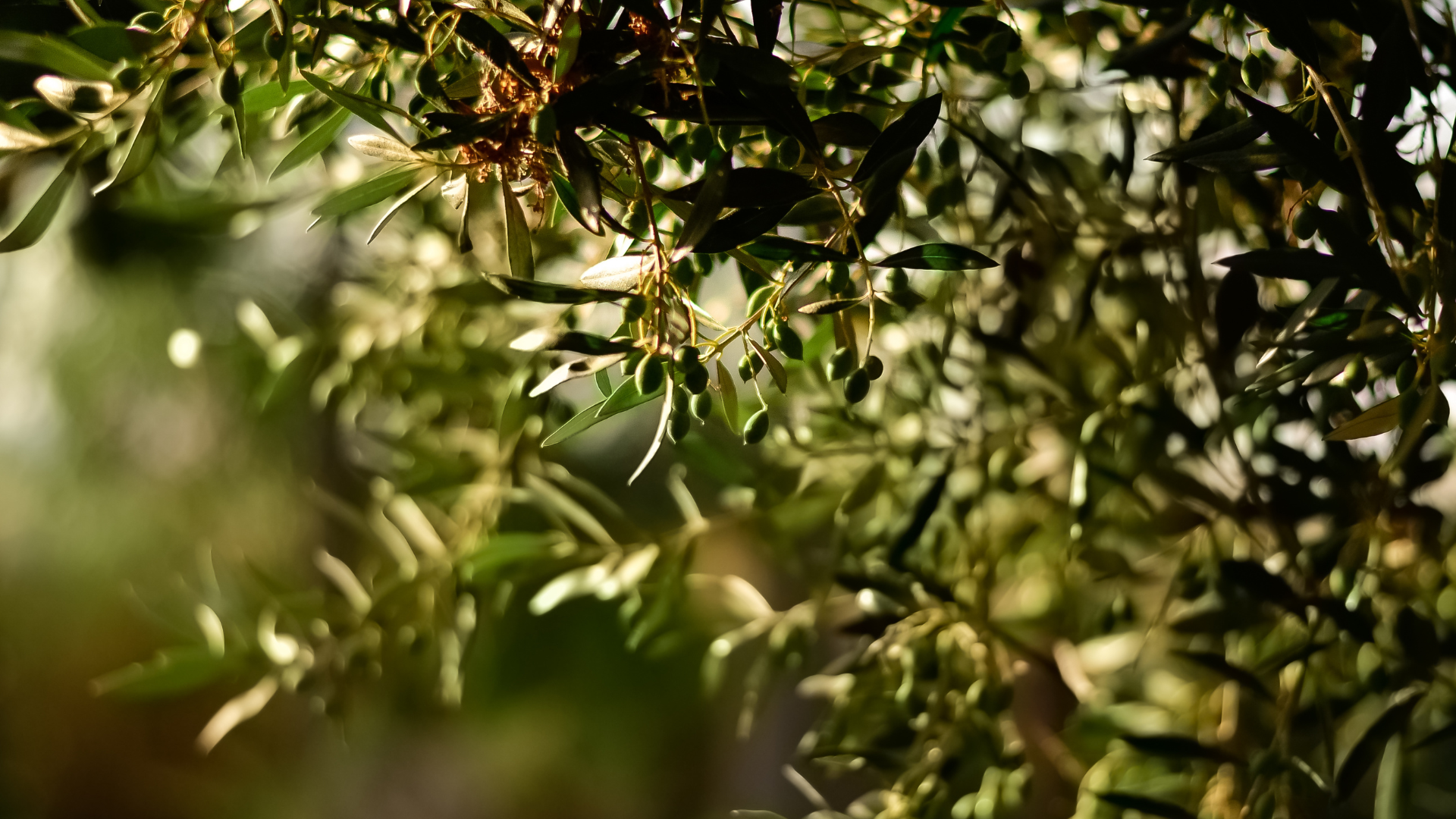
Olive trees bring a warm, Mediterranean feel to your garden. They have a slim structure, are rought-resistant, and can live for many years. This makes them a practical and stylish choice, especially in warmer climates.
Magnolia (Dwarf Varieties)
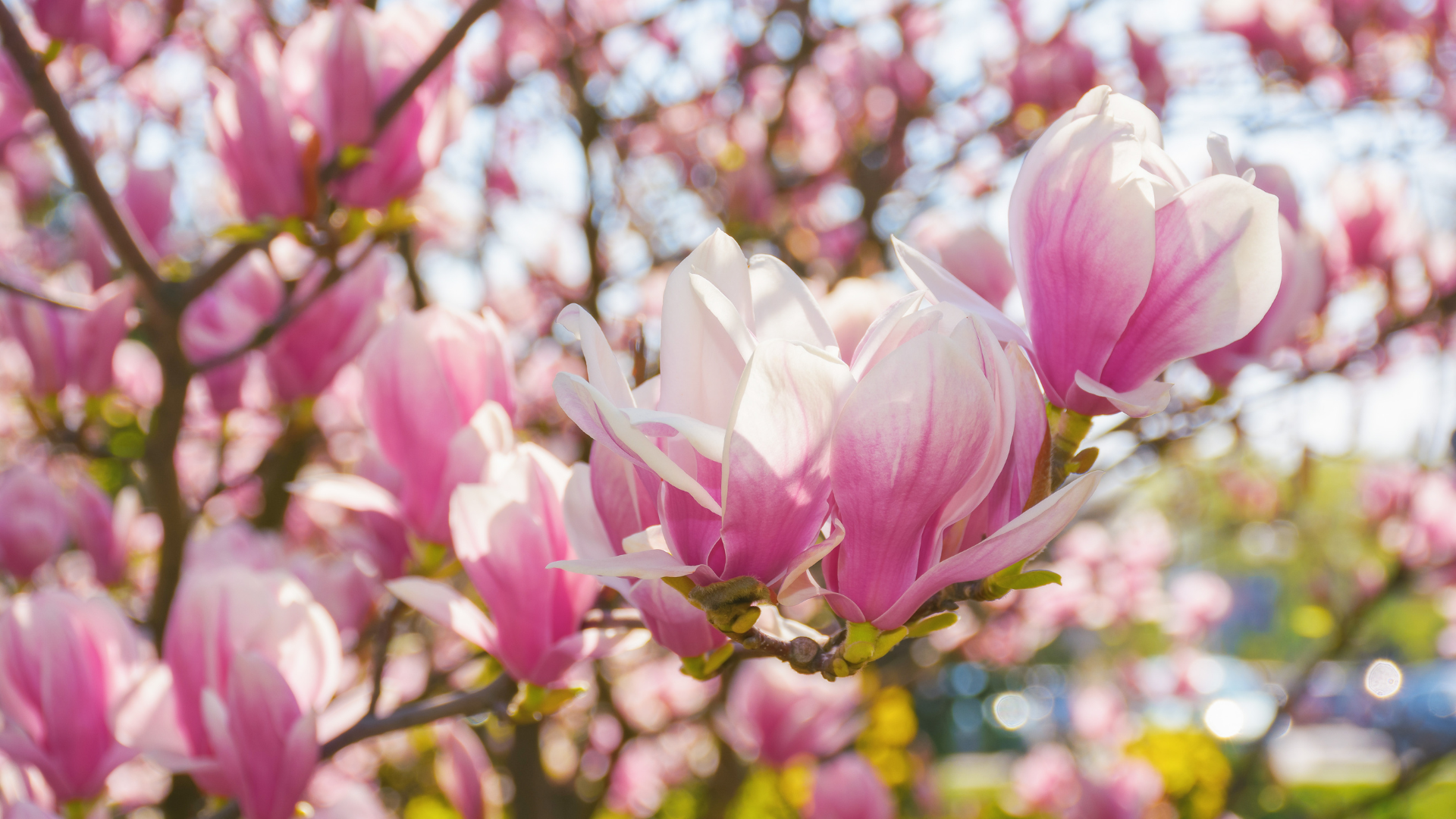
Dwarf magnolia trees are known for their large and attractive flowers. They add elegance and beauty to any outdoor space and are often used as feature trees in front gardens or near entrances.
Cherry Blossom Tree
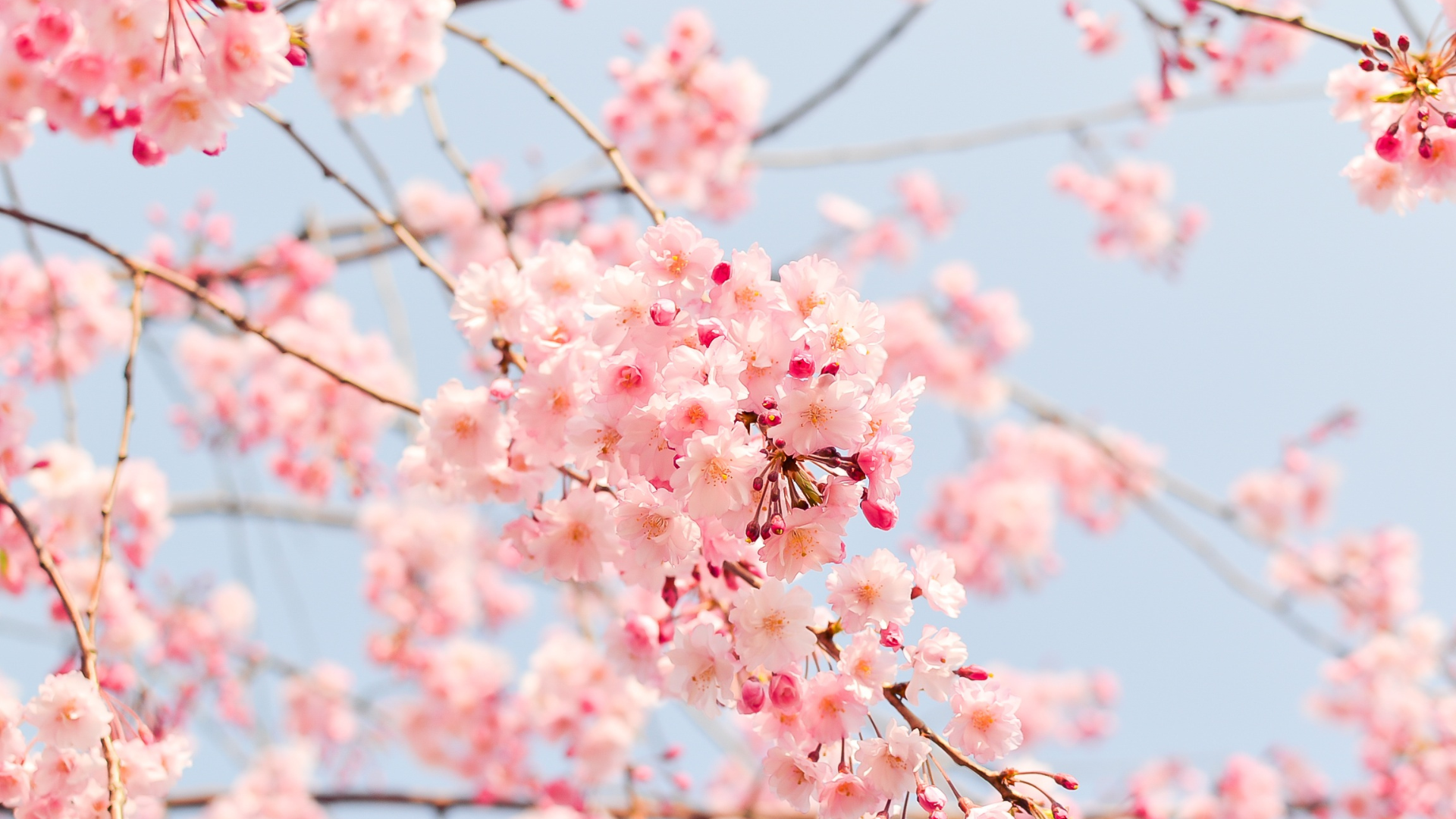
Cherry blossom trees are loved for their soft and beautiful flowers. They create a calm and peaceful look, especially during blooming season. Even in small gardens, they can make a strong visual impact.
Bay Laurel Tree
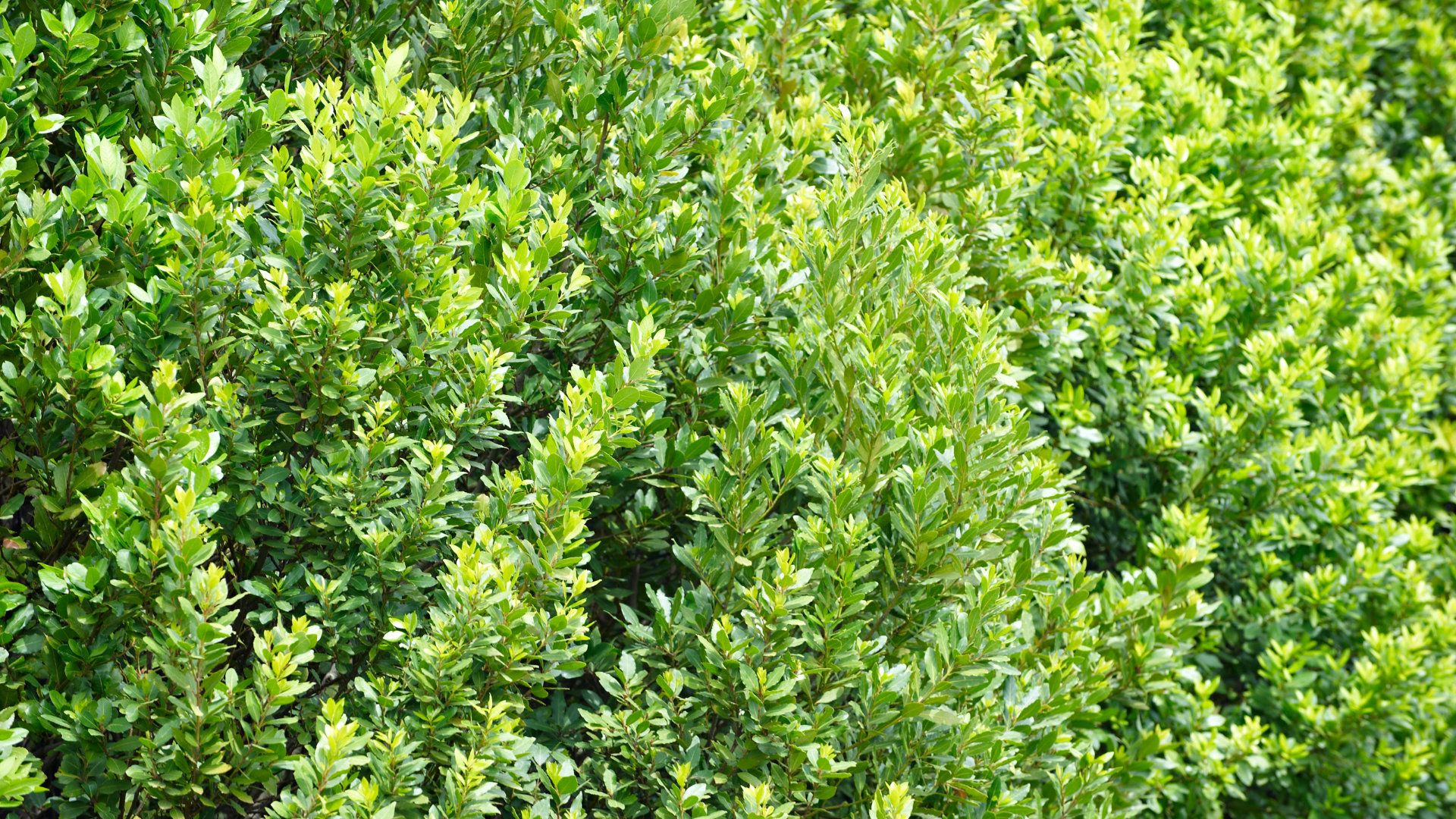
Bay trees are both decorative and practical. They can be shaped easily and are often used in cooking. This makes them a great choice for kitchen gardens or multi-purpose spaces.
Crab Apple Tree
Crab apple trees offer both flowers and small fruits, adding seasonal interest to your garden. They also attract birds, which brings more life and movement into your outdoor space.
Dwarf Conifers
Dwarf conifers are evergreen trees that stay green throughout the year. They require very little maintenance and help create a structured and neat garden design.
How to Design with Small Garden Trees
Designing with small garden trees requires a simple and thoughtful approach.
Use Trees as a Focal Point
One effective method is to use a tree as a focal point by placing it in a central or important area. This draws attention and gives your garden a clear structure.
Layer Your Garden Design
Layering is another useful technique where you combine trees, shrubs, and ground plants to create depth. This makes your garden look more complete and visually interesting. I
Use Pots and Containers
f you have very limited space, using pots and containers is a smart option, as it allows you to move plants easily and adjust your layout when needed.
Create Natural Shade
Small trees can also be placed near seating areas to provide natural shade, making your garden more comfortable during the day.
Add Privacy
For added privacy, you can plant trees along boundaries to block unwanted views and create a peaceful environment. Mixing different types of trees, such as flowering and evergreen varieties, helps keep your garden attractive throughout the year.
Common Mistakes to Avoid
When designing with small trees, it is important to avoid common mistakes.
Choosing trees that grow too big
Planting too close together
Ignoring sunlight needs
Not planning for future growth
These mistakes can make your garden look crowded.
Expert Tips for Better Design
Here are some simple expert tips:
Start with one or two trees first
Leave space for growth
Use symmetry for a clean look
Combine trees with lighting
Many garden designers suggest using odd numbers (like 1 or 3 trees) for a more natural look.
Transform Your Small Garden with Expert Design
If you want to make the most of your space, working with professionals can help you achieve better results. Aspen Garden Designs specializes in creating smart, stylish gardens using elements like small trees, planting layouts, and modern outdoor features. Our team understands how to design compact spaces that feel open, functional, and beautiful.
Whether you need help choosing the right trees or planning a complete garden makeover, they can guide you every step of the way. Visitour website to learn about our services and start turning your small garden into a space you’ll truly enjoy.
Final Thoughts
Designing with small garden trees is a simple and effective way to improve your outdoor space. With the right selection and placement, even a small garden can feel open, stylish, and relaxing. By planning carefully and avoiding common mistakes, you can create a space that looks beautiful and works well for everyday use.
FAQs
What is the best small tree for a small garden?
Japanese maple and olive trees are excellent choices for small gardens. They are compact, visually appealing, and easy to maintain, making them suitable for different garden styles.
Can small trees grow in pots?
Yes, many small trees such as bay trees grow very well in pots. This makes them ideal for patios, balconies, and other limited spaces.
How far apart should small trees be planted?
Small trees should be planted with enough space for their full growth. In most cases, leaving 1.5 to 3 meters between trees is recommended.
Do small trees need a lot of maintenance?
Most small trees require basic care like watering and occasional pruning. Some varieties need very little maintenance, making them easy to manage.