2026 Garden Design Trends in UK: 18 Fresh Ideas for Outdoor Spaces
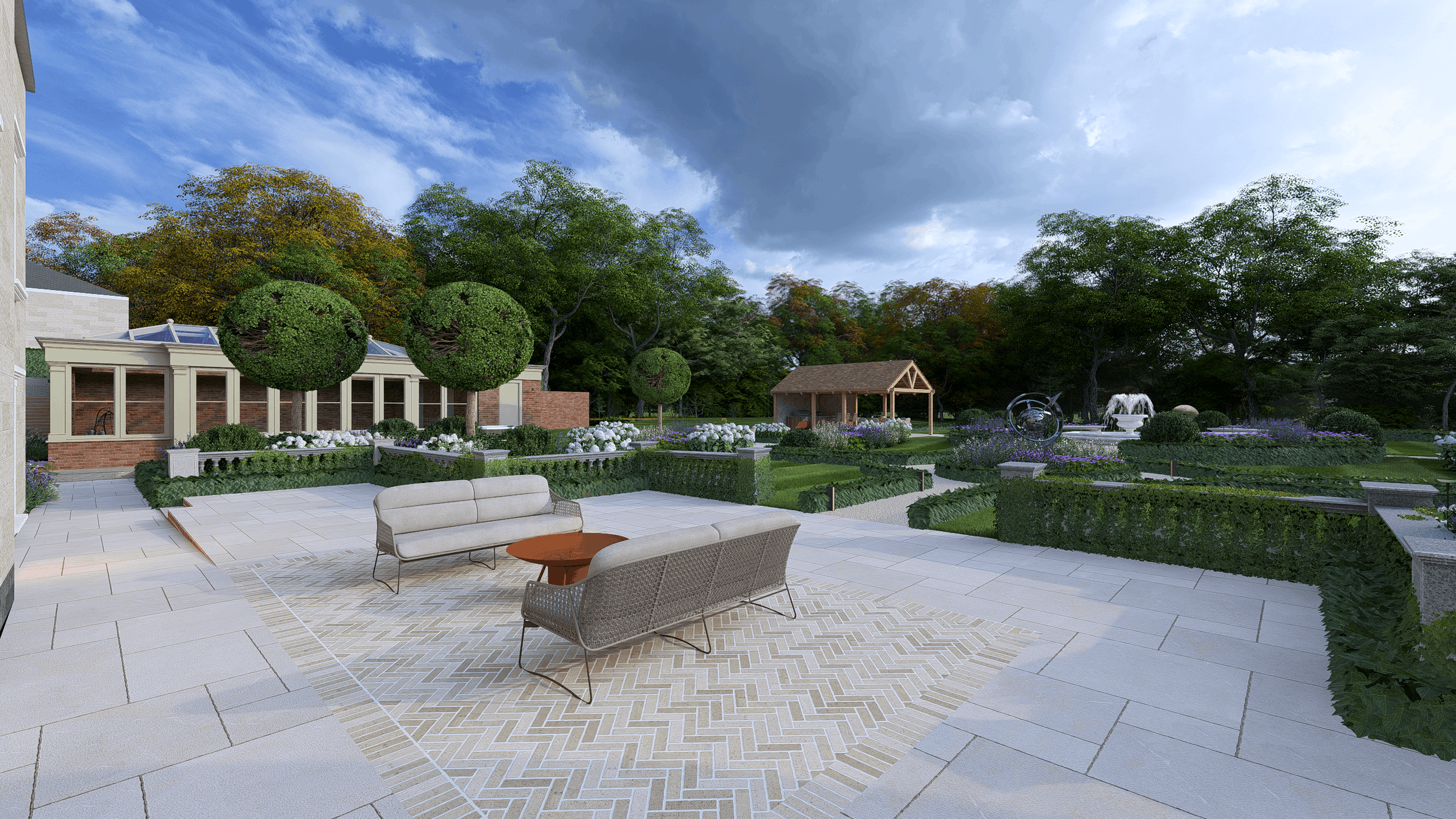
Garden design in 2026 is evolving to reflect lifestyle, sustainability, and comfort, transforming outdoor spaces into functional, beautiful extensions of the home. From natural planting to year-round living spaces, UK garden owners are embracing trends that celebrate nature, technology, and mindful use of space.
Why Garden Design Trends Matter in 2026
Garden design trends go beyond aesthetics. They reflect how people want to live, entertain, relax, and connect with nature. In 2026, outdoor spaces are no longer just lawns and borders — they are practical parts of the home where families spend more time for dining, wellness, play, and entertaining.
These trends are shaped by environmental awareness, climate change, smaller urban plots, and innovative materials that support sustainable and stylish outdoor living.
Year-Round Outdoor Living Spaces
Moving Beyond Summer Gardens
One of the strongest trends for 2026 is designing gardens that work in all seasons. UK homeowners are increasingly treating their gardens as year-round extensions of the home. This means covered seating areas, insulated garden rooms, fire pits, and outdoor heaters that make cool evenings comfortable.
Outdoor kitchens, pergolas with retractable roofs, and cosy lounging corners allow families to use their gardens even in autumn and winter. These spaces are designed with comfort and usability in mind, making gardening and outdoor socialising enjoyable all year.
Blurring Indoor and Outdoor Boundaries
Beautiful design now extends garden living into the home through seamless transitions. Matching materials like porcelain tiles or timber decking from the interior out to the patio create a visual flow that makes the outdoor space feel like part of the house.
Sliding or bi-fold doors that open wide increase natural light and merge interior living with outdoor space for dining and socialising.
Natural Materials and Earthy Textures
The Shift to Earthy Palettes
2026 garden design emphasises warm, natural palettes such as clay, terracotta, olive, sand and taupe, replacing cooler greys and stark contrasts. These tones feel grounded and calm while blending well with planting schemes and natural materials.
Timber decking, clay pavers, handmade brickwork and textured stone become focal points in patios and garden paths. These tactile materials enhance character and age gracefully over time.
Textured Hard Landscaping
Textured surfaces are taking precedence over smooth, uniform paving. Materials such as split stone, slate and brushed limestone add visual interest and grip underfoot. This trend moves gardens away from overly polished looks to more authentic, tactile designs.
Planting Trends for 2026
Mosaic and Naturalistic Planting
Planting in 2026 emphasises a natural feel rather than rigid, formal beds. Mosaic planting, thoughtfully combining grasses, perennials and shrubs, mimics the richness of natural meadows while avoiding the inconsistency of wildflower seed mixes. This strategy provides year-round structure and visual appeal.
Naturalistic aesthetics blend layers of texture and movement. Gardens aim to feel relaxed and established rather than overly controlled, which appeals to modern lifestyles prioritising relaxed, sensory outdoor environments.
Climate-Smart and Resilient Plants
With unpredictable weather patterns in the UK, designers and gardeners are prioritising climate-adaptive planting. Drought-tolerant species such as lavender, sedum and euphorbia help borders withstand dry summers while maintaining lush looks.
Native and wildlife-friendly planting, including pollinator borders and habitat features like small ponds or log piles, supports biodiversity and creates gardens that work with nature rather than against it.
Multi-Zone Garden Layouts
Purposeful Outdoor Rooms
Modern garden design is embracing the idea of distinct outdoor zones that reflect how people want to use their space. This includes areas for eating, relaxing, cooking, playing, exercising, or growing food.
For example:
A dining terrace with pergola or shade sails
A chill-out lounge with weather-proof seating
A children’s play area
A kitchen garden or herb wall
Well-planned zoning gives even smaller gardens a sense of structure and purpose.
Vertical and Small-Space Gardening
Vertical planting and living walls remain vital for smaller UK gardens and balconies. These approaches maximise planting without reducing usable ground space, often incorporating herbs, salad plants or scented climbers for practical beauty.
Edible and Wildlife-Friendly Spaces
Productive Planting
Edible gardens blend beauty with utility. Raised planters, herb borders, compact fruit trees and vertical veg systems make fresh food part of daily outdoor life.
This trend reflects how people are turning gardens into both relaxing retreats and productive spaces that support healthier lifestyles.
Wildlife Support
Many UK gardeners are deliberately creating areas that welcome wildlife, such as pollinator borders, bug hotels, ponds and log piles. These elements encourage biodiversity while making gardens richer and more engaging.
Colour and Material Trends
Earthy and Botanical Tones
Neutral, earthy colours continue to dominate gardens in 2026. Shades like taupe, moss green, and soft sage help outdoor areas feel grounded and cohesive.
Accent tones such as burnt rust, muted ochre, charcoal or soft blues introduce warmth and contrast without overwhelming the space. These colours can be introduced through planters, garden furniture, outdoor textiles and decorative elements.
Natural Wood and Stone
Wood tones, weathered timber, and natural stone surfaces enhance authenticity in modern gardens. These materials age beautifully and add subtle texture that feels timeless rather than trendy.
Wellness-Focused Landscapes
Gardens as Retreats
Gardens are now being designed as personal sanctuaries, places for relaxation, mindfulness and wellbeing. Sensory elements like fragrant plants, water features, textured foliage, and quiet nooks create calming environments.
Meditative corners, small water bowls, reflective ponds, and shaded seating support mental relaxation and connection with nature.
Lighting That Enhances Ambience
Soft, layered lighting is essential for evening use and atmosphere. Subtle LED layers, uplighting on planting, and discreet fixtures enhance usability after dusk without overwhelming the space.
Smart Gardens and Technology Integration
Technology for Garden Care
Smart garden systems are becoming more intuitive and helpful. App-controlled irrigation systems, soil moisture sensors, and automated watering solutions allow gardens to stay healthier with less manual effort.
Future tech may go further, using data to suggest plant pairings or maintenance schedules that respond to weather patterns and microclimates.
Convenience and Enjoyment
Technology that enhances convenience, such as robotic lawnmowers or smart lighting, helps free up time to enjoy the garden rather than labour in it.
Statement Features and Garden Architecture
Sculptural Focal Points
2026 gardens favour one strong focal feature rather than many small decorative objects. This could be a striking tree, a bespoke bench, a water feature or an architectural planter.
These elements add structure and identity to the garden, making outdoor design feel intentional and confident.
Shade Structures and Pergolas
As warmer weather patterns continue, shade becomes essential. Well-planned pergolas, slatted timber roofs, or lightweight canopies provide comfort while defining outdoor rooms.
Why Choose Aspen Garden Designs for Your 2026 Garden Project
Aspen Garden Designs specialises in creating garden layouts that reflect modern 2026 trends while remaining practical for UK conditions. Our approach blends natural materials, purposeful zoning, and thoughtful planting schemes tailored to your lifestyle and property. Designs focus on year-round usability, sustainability, and creating spaces that feel connected to home.
Whether your project aims for relaxed natural planting, all-season living spaces, or smart garden technology integration, Aspen Garden Designs works with you from concept to completion, ensuring durability, style and functionality.
Visit Aspen Garden Designs to explore bespoke garden design services that bring 2026’s top trends to life in your outdoor space.
FAQs: 2026 Garden Design Trends in the UK
What are the hottest garden design trends for 2026 in the UK?
Top trends include year-round living spaces, naturalistic planting, climate-smart gardens, multi-zone layouts, and earthy palettes that create calm, sustainable outdoor areas.
How can small gardens reflect 2026 design trends?
Small spaces benefit from vertical planting, multi-functional zones, compact seating, and smart lighting to create a sense of depth, utility and style without overcrowding.
Why is year-round outdoor living important?
UK weather can be unpredictable. Covered spaces, heaters and comfortable seating allow gardens to be used in all seasons, making them extensions of home living space.