Designing Gardens for Outdoor Living: Patios, Kitchens and Social Spaces
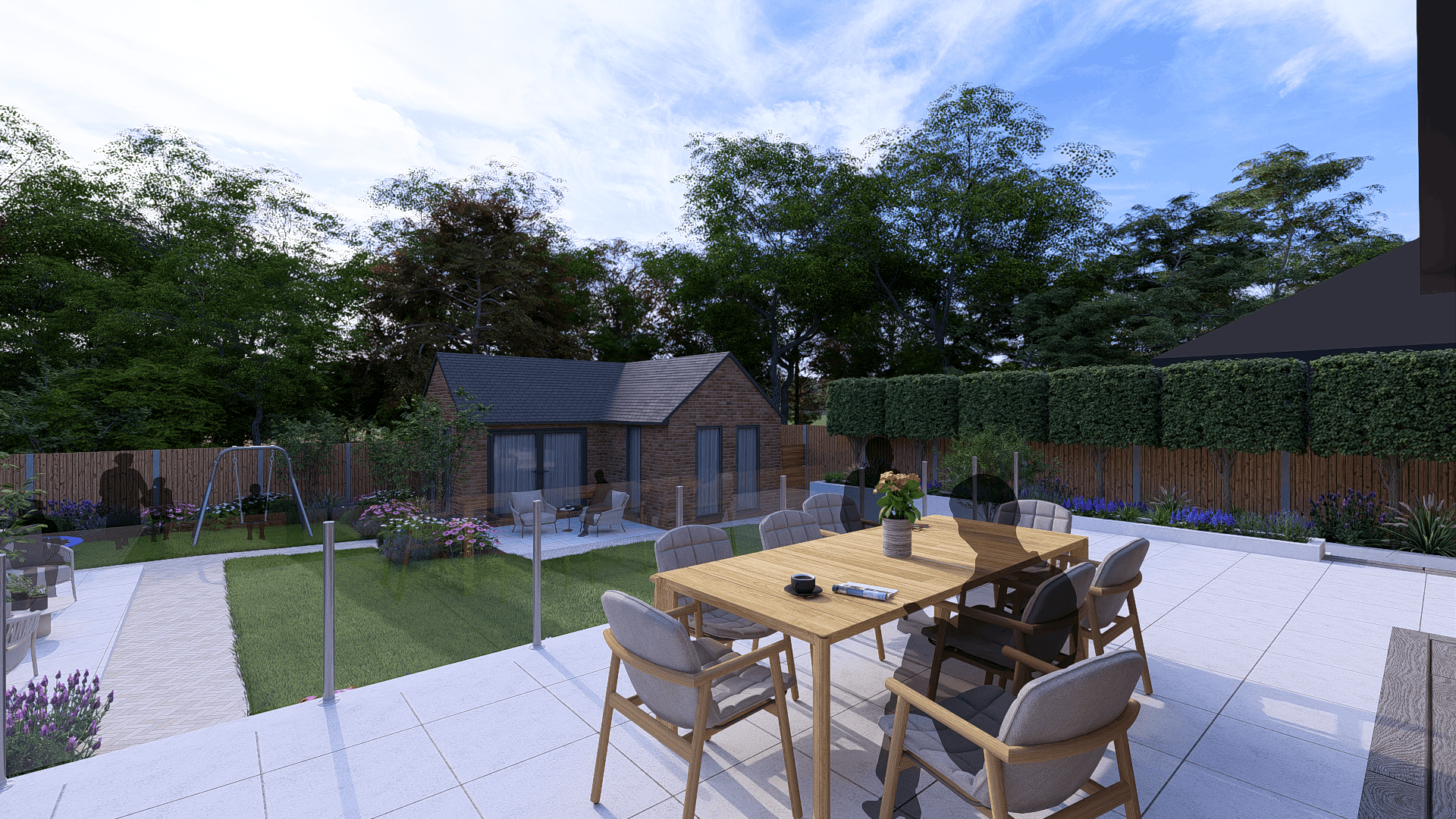
Outdoor living gardens are becoming essential extensions of the home, combining comfort, functionality, and style for entertaining and everyday use.
Why Outdoor Living Gardens Are in High Demand
Outdoor living has become a key priority for homeowners across the UK. Gardens are no longer viewed as decorative spaces alone. They are now used for dining, socialising, relaxing, and hosting family and friends.
Well-designed outdoor living areas improve lifestyle, add property value, and create usable space beyond the home’s interior. With thoughtful planning, gardens can support everyday living while remaining practical and visually appealing throughout the year.
Planning a Garden for Outdoor Living
Understanding How the Space Will Be Used
Successful outdoor living design begins with purpose. Gardens should be planned around how the space will be used rather than focusing solely on appearance.
Common outdoor living uses include:
Dining and entertaining
Outdoor cooking
Relaxation and lounging
Family gatherings
Evening social spaces
Clear planning ensures the layout supports daily use while allowing flexibility for different occasions.
Creating a Logical Garden Layout
A structured layout helps outdoor spaces feel organised and comfortable. Patios, kitchens, and seating areas should be positioned to allow easy movement and clear visual flow.
Paths, level changes, and planting can define different zones without making the garden feel divided. This approach ensures the garden feels spacious, functional, and easy to use.
Patio Design for Outdoor Living
Choosing the Right Patio Location
The position of a patio is critical for comfort and usability. Patios located close to the house allow easy access for dining and entertaining. Sun exposure, shelter from wind, and privacy should also be considered.
South or west-facing patios benefit from sunlight, while pergolas or shade structures can prevent overheating during warmer months.
Patio Materials That Support Outdoor Living
Patio materials should be durable, low maintenance, and visually consistent with the home and garden.
Popular choices include:
Porcelain paving for durability and clean design
Natural stone for texture and character
Concrete paving for modern outdoor spaces
Slip resistance and weather performance are essential, especially in UK conditions where moisture is common.
Outdoor Kitchens as a Garden Feature
Why Outdoor Kitchens Are Growing in Popularity
Outdoor kitchens are no longer a luxury feature. They have become practical additions for homeowners who enjoy entertaining outdoors.
These spaces reduce the need to move between indoor and outdoor areas, making gatherings more relaxed and social. Outdoor kitchens also help maximise garden use during warmer months.
Key Elements of an Outdoor Kitchen
A well-designed outdoor kitchen typically includes:
A built-in barbecue or cooking unit
Worktops for food preparation
Storage for utensils and accessories
Weather-resistant finishes
Materials should be selected for durability and ease of cleaning, ensuring the kitchen remains functional over time.
Entertaining Areas and Social Spaces
Designing Seating Areas for Comfort
Seating is essential for outdoor entertaining. Comfortable seating encourages people to stay longer and enjoy the space.
Options include:
Built-in benches with cushions
Freestanding outdoor sofas
Dining sets for group gatherings
Seating layouts should encourage conversation while maintaining clear walkways.
Fire Pits and Outdoor Heating
Fire pits and outdoor heaters extend the usability of gardens into cooler evenings. They also create a natural focal point that enhances the atmosphere.
When integrated correctly, heating features provide warmth while adding visual interest and structure to entertaining spaces.
Creating Zones Within an Outdoor Living Garden
Defining Functional Areas
Zoning helps organise outdoor spaces without overcrowding the garden. Each zone should have a clear purpose, such as cooking, dining, or relaxing.
Changes in surface materials, planting, or elevation can subtly define zones while maintaining a cohesive design.
Balancing Open Space and Structure
A successful outdoor living garden balances open areas with structured features. Too many built elements can feel restrictive, while too much open space can lack function.
Designing with balance ensures the garden feels welcoming, practical, and visually pleasing.
Lighting for Outdoor Living Spaces
Functional and Ambient Lighting
Lighting plays a key role in outdoor living design. It allows patios and entertaining areas to be used after dark while enhancing safety and atmosphere.
Functional lighting supports cooking and dining, while ambient lighting creates a warm, inviting mood.
Popular Garden Lighting Options
Common outdoor lighting solutions include:
Low-level pathway lights
Wall-mounted lights near seating areas
Subtle uplighting for planting and features
Lighting should be layered and discreet to avoid overpowering the space.
Privacy and Shelter in Outdoor Living Gardens
Creating Privacy Without Enclosure
Privacy is important for outdoor comfort. Screening solutions such as planting, fencing, or decorative panels can provide seclusion without fully enclosing the garden.
Living screens using hedges or climbers add softness and integrate privacy naturally into the design.
Weather Protection and Shelter
Pergolas, canopies, and covered structures provide protection from rain and sun. These features increase the usability of patios and kitchens throughout the year.
Shelter structures should complement the overall design while remaining practical for UK weather conditions.
Planting That Supports Outdoor Living
Using Plants to Soften Hard Landscaping
Planting plays a key role in balancing hard surfaces like patios and kitchens. Soft planting reduces harsh edges and creates a more welcoming environment.
Perennials, grasses, and shrubs add texture and movement while remaining easy to maintain.
Practical Plant Choices for Entertaining Areas
Plants near seating and dining areas should be low maintenance and non-invasive. Strong fragrances or excessive leaf drop should be avoided to maintain comfort and cleanliness.
Low-Maintenance Design for Outdoor Living
Reducing Ongoing Garden Maintenance
Outdoor living gardens should be enjoyable, not demanding. Choosing durable materials and manageable planting reduces the need for constant upkeep.
Low-maintenance design ensures the garden remains functional and attractive without excessive time investment.
Smart Design Choices
Features such as integrated storage, automated lighting, and efficient drainage support long-term usability and reduce maintenance concerns.
Why Outdoor Living Design Adds Property Value
Gardens designed for outdoor living increase the usable space of a property. Well-planned patios, kitchens, and entertaining areas appeal to buyers seeking lifestyle-focused homes.
A functional garden layout can significantly enhance market appeal while improving everyday living.
Why Choose Aspen Garden Designs for Outdoor Living Projects
Aspen Garden Designs creates excellent outdoor living gardens that combine patios, kitchens, and entertaining areas into cohesive, practical layouts. Each design is tailored to suit the property, lifestyle needs, and UK climate conditions.
Projects focus on durable materials, structured layouts, and long-term usability. From concept to completion, designs aim to deliver outdoor spaces that feel natural, functional, and inviting throughout the year.
Visit Aspen Garden Designs to plan a bespoke outdoor living garden designed for entertaining, relaxation, and year-round enjoyment:
FAQs: Garden Design for Outdoor Living
What is an outdoor living garden?
An outdoor living garden is designed for regular use, including dining, relaxing, cooking, and entertaining. It functions as an extension of the home rather than a purely decorative space.
Do outdoor kitchens work in the UK climate?
Yes, with the right materials and shelter, outdoor kitchens perform well in the UK. Weather-resistant finishes and covered areas improve durability and usability.
How much space is needed for outdoor living areas?
Outdoor living features can be adapted for both small and large gardens. Smart layouts and zoning allow even compact spaces to support seating and dining areas.
What materials are best for patios used for entertaining?
Porcelain paving, natural stone, and concrete slabs are popular due to their durability, slip resistance, and low maintenance requirements.
Can outdoor living gardens be used year-round?
Yes, features such as heating, lighting, and shelter make outdoor living spaces usable in multiple seasons, including cooler months.