Natural Stone or Porcelain Paving? Which Is Best for Your Garden?
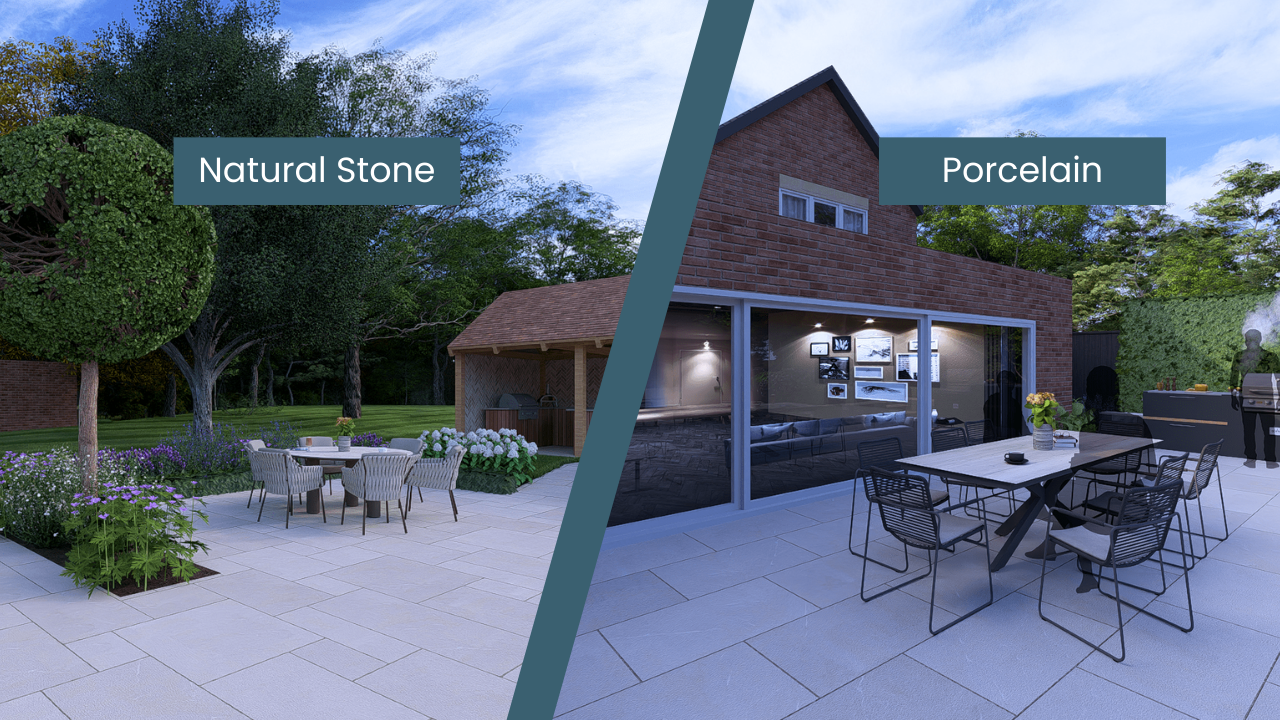
Choosing the right paving for your garden is a big decision. It affects how your outdoor space looks, how easy it is to clean, and how long it will last. Two of the most popular options today are natural stone paving and porcelain paving. Both are great choices, but they offer different benefits. In this guide, we will compare the two in very simple, easy-to-understand language so you can make the right choice for your home.
Key Takeaways
Natural stone has a classic, natural look with unique patterns in every slab and requires cleaning less often to look great.
Porcelain is very strong, easy to clean, and needs almost no maintenance.
Both materials can last many years when installed properly.
Your choice depends on your taste, budget, and how much upkeep you want to do.
Professional installation helps both paving types stay strong and look great long term.
What Is Natural Stone Paving?
Natural stone paving is made from real stone taken from the earth. Popular types include sandstone, limestone, granite, and slate. Each stone has been formed over thousands of years by natural processes. Because of this, no two slabs look the same. You get different tones, patterns, and textures that make your garden feel warm, organic, and very natural.
Natural stone works well in gardens that aim for a traditional, rustic, or timeless look. It can also fit modern spaces if you choose smooth or dark stones. Many homeowners prefer it because it feels rich and adds character to the property.
Benefits of Natural Stone
Every piece is different and has its own pattern.
Looks warm and classy in all types of gardens.
Very strong and long-lasting with good care.
Can increase the value of your home because it looks premium.
Even with a small amount of dirt, does not detract from the overall look.
Drawbacks of Natural Stone
Needs sealing from time to time to protect against stains.
Can become weathered or slightly faded if not cared for.
More porous than porcelain, so it can absorb water and dirt more easily.
Requires deeper cleaning, especially in damp or shaded areas.
What Is Porcelain Paving?
Porcelain paving is a man-made product created from clay, sand, and natural minerals. These materials are pressed together at very high heat, making the slabs extremely strong, dense, and non-porous. This means they do not absorb water, dirt, or stains.
Porcelain is perfect if you want a clean, modern, and stylish garden. It comes in many colours and textures, including stone-effect designs that look similar to natural stone but require less upkeep.
Benefits of Porcelain
Very low maintenance
Contemporary and clean appearence.
Strong, durable, and resistant to scratches.
Non - porous, so stains cannot easily soak in.
Easier to clean due to the dirt staying on the surface of the stone rather than ‘soaking in’.
Drawbacks of Porcelain
Has a more uniform look than natural stone.
Whilst being easy to clean, Porcelain stone requires cleaning more often to keep its ‘perfect looking’ appearence.
Needs skilled installation because it is harder to cut and work with (smaller joints)
Some cheaper porcelain tiles may be slippery, so always buy outdoor-rated slabs (R11).
Durability and Weather Resistance
Durability is one of the most important things to think about when choosing paving. In the UK, we deal with rain, frost, and constant weather changes. Some materials handle these better than others.
Natural Stone
Natural stone is very durable, especially harder types like granite or slate. With good installation and sealing, it can last many decades. However, some softer stones may wear faster in wet or shaded areas. Stone is also slightly porous, so freeze–thaw cycles can sometimes create small cracks if the paving is not sealed or installed correctly.
Porcelain
Porcelain is one of the strongest paving materials available today. It does not absorb water at all, so frost cannot damage it. Porcelain also keeps its colour for many years because the sun cannot fade it. If you want a paving option that stays looking almost new for a long time with very little effort, porcelain is a great choice.
Cost Comparison
The cost of paving depends on the type, thickness, brand, and installation method.
Natural Stone Costs
Natural stone prices vary widely. Sandstone is more affordable, while limestone, granite and slate cost more.
Porcelain Costs
Porcelain can be more expensive at the start, especially premium brands. The installation may also cost slightly more because the slabs are dense and require specialist cutting tools. However, porcelain has very low long-term maintenance costs, which can save money in the future. Both options can be great long-term investments depending on your budget and needs. Albiet we have noticed Porcelain prices becoming more cost effective as the UK market adopts more of the product.
Aesthetic Differences
Natural Stone Look
Natural stone offers a natural and timeless appearance. Its unique patterns, soft tones, and textures make every garden look warm and inviting. If you want a classic or rustic garden, natural stone is often the best choice.
Porcelain Look
Porcelain provides a clean, modern, and stylish finish. It comes in many colours—from greys to creams to stone-effect designs. If you prefer neat lines, smooth textures, and a contemporary look, porcelain is ideal. It also works well around modern homes and minimalist outdoor spaces.
Which Should You Choose?
Your final choice depends on what matters most to you.
Choose natural stone if:
You love natural, unique patterns.
You want a traditional or rustic look.
You don’t mind doing some occasional deep cleaning
Choose porcelain if:
You want a low-maintenance garden.
You prefer modern, clean designs.
Both are excellent materials. The “best” one simply depends on your taste and lifestyle.
Why Choose Aspen Garden Designs?
Choosing the right paving is important, but choosing the right installer is just as crucial. Aspen Garden Designs offers expert paving services that ensure your patio looks beautiful and lasts for many years. Our team has strong experience working with both natural stone and porcelain paving. They help you pick the right material for your home with care and accuracy.
From planning to final finishing touches, Aspen Garden Designs focuses on quality. If you want your garden to look amazing and stay strong long term, our professional service is a great choice.
Conclusion
Both natural stone and porcelain paving are excellent choices for UK gardens. Natural stone offers beauty and natural charm, while porcelain provides strength, low maintenance, and a modern look. Think about your style, budget, and how much upkeep you want to do. With the right installation, both options can last for many years and make your garden a space you love.
FAQs
Q1. Is natural stone more expensive than porcelain?
The price depends on the type of stone or porcelain you choose. Some natural stone is affordable, while premium stone can be expensive. Porcelain also has different price ranges. Installation for porcelain may cost a bit more, but long-term maintenance is usually ideal for most.
Q2. Which paving lasts longer: porcelain or natural stone?
Both materials can last for decades if installed well. Porcelain often stays newer-looking for longer because it does not absorb water, stain, or fade. Natural stone is also very durable being a natural product.
Q3. Is porcelain paving slippery when wet?
Outdoor porcelain paving normally comes with an R11 anti-slip rating, which means it is safe to use in wet areas. Just make sure you choose outdoor-rated porcelain slabs. Indoor porcelain tiles should not be used outside as they may be slippery.
Q4. Which option is easier to maintain?
Porcelain is much easier to maintain because it is non-porous and resists stains, dirt, and algae. However, some customers may wish to consider Natural stone as it will look well despite small amounts of dirt and can be cleaned less often.