4 Things You Should Never Include in a Sunny Garden
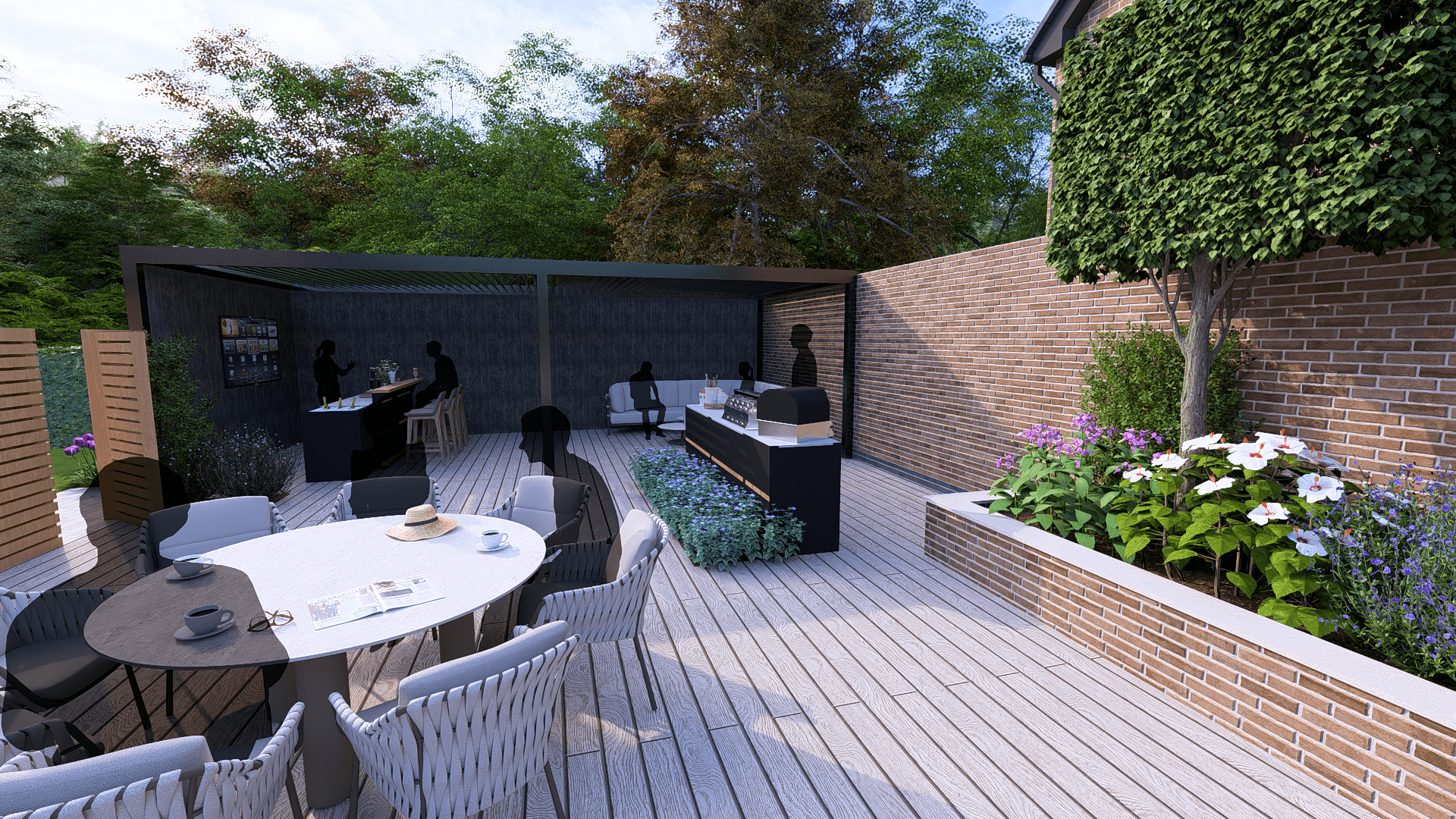
Designing a sunny garden can feel like a dream. These spaces are bright, cheerful, and perfect for entertaining, relaxing, and growing vibrant plants. But full sun also comes with challenges: heat stress, rapid evaporation, fading, scorching, and materials that degrade faster than expected.
To make the most of your sunny outdoor space, avoid a few common mistakes homeowners often make. Below, we explore the four things you should never include in a sunny garden—and what to do instead.
Key Takeaways
Not all plants, surfaces, or materials can cope with full sun—poor choices can lead to wilting plants, unsafe surfaces, and uncomfortable outdoor areas.
Sunny gardens need UV-resistant, heat-tolerant, and light-coloured materials to stay comfortable and functional.
Good planning prevents common problems like blistering heat, plant failure, and fast-degrading landscaping.
With the right approach, a sunny garden can become a lively, welcoming, low-maintenance haven.
Artificial Turf (Synthetic Lawn)
At a glance, artificial turf seems like the perfect low-maintenance solution. It’s neat, evergreen, and saves time on mowing. However, in a sunny garden, synthetic turf can quickly become a serious inconvenience and even a safety concern.
Why Avoid It
It gets extremely hot. Artificial turf absorbs and radiates heat. On sunny days, the temperature can soar to the point where it’s uncomfortable or even unsafe to walk on, especially for children and pets.
It degrades faster in UV light. Strong sun fades the colour and breaks down the fibres over time, meaning your “forever green” lawn may not last as long as expected.
It’s not eco-friendly. Plastic surfaces trap heat and prevent biodiversity in the soil underneath.
What to Do Instead
Choose heat-tolerant natural lawn varieties or switch to a Mediterranean-inspired garden with gravel, drought-resistant plants, and ground covers such as thyme, creeping rosemary, or stonecrop. These plants look beautiful, stay cool naturally, and reduce water consumption.
Dark Paving or Dark Hard-Landscaping Materials
Dark stone and black composite decking can look sleek and modern but only in theory. Under full sunlight, these materials absorb heat rapidly, becoming difficult to stand, sit, or walk on.
Why Avoid It
It makes your garden hotter. Dark surfaces conduct and retain heat, turning your sunny garden into a heat trap.
It reduces usability during the day. You may find your patio unusable during peak sun as it becomes too hot to touch.
It increases glare and fading. High heat makes darker materials prone to cracking, warping, or losing colour.
What to Do Instead
Opt for light-coloured natural stones, buff sandstone, pale gravel, or cream limestone. These reflect sunlight, stay cooler underfoot, and brighten your space without overheating it. If you prefer darker tones for style, pair them with built-in shade such as pergolas or awnings.
Shade-Loving or Moisture-Dependent Plants
Many homeowners fall in love with delicate woodland plants, like ferns, hostas, hydrangeas, astilbe, and other shade-seeking varieties, because of their lush foliage and soft, elegant shapes. It’s easy to imagine them adding a touch of cool serenity to a garden. Unfortunately, these plants are naturally adapted to dappled woodland light and moist, sheltered environments. When placed in a sunny garden, they’re exposed to far more heat and brightness than they can tolerate.
As a result, their leaves often scorch or fade within days, their soil dries out rapidly, and they become vulnerable to stress-related pests and diseases. Even with generous watering, they struggle to stay upright in the heat, and many won’t survive a full summer in direct sunlight. Sunny gardens demand plants that don’t just tolerate light but actively thrive in it, species with tough foliage, deep or efficient root systems, and the ability to withstand long periods of heat and dryness without constant intervention.
Why Avoid Them
They wilt, scorch, and struggle. Shade-tolerant plants can burn within hours in full sun, especially during heatwaves.
They require constant watering. Moisture-loving plants dry out too quickly and will need far more water than is sustainable in a hot garden.
They often won’t survive the summer. Even with care, many shade-loving species simply cannot adapt to the intensity of full sunlight.
What to Plant Instead
Choose sun-loving, drought-resistant species such as:
Lavender
Salvia
Sedum
Echinacea
Ornamental grasses
Thyme
Rosemary
Agapanthus
These plants flourish in bright spots, add colour and texture, and require less maintenance overall.
Too Much Hardscaping (Concrete, Walls, and Heat-Absorbing Structures)
It’s tempting to use lots of paving or solid structures to create elegant outdoor spaces. But in a sunny garden, too much concrete or stone can turn your outdoor area into an oven.
Why to Avoid It
Hard surfaces store heat. Stone, brick, and concrete absorb sun all day and radiate heat long after sunset.
It makes the space uncomfortable. Even evening relaxation becomes difficult when the garden is still radiating warmth.
White rendered walls may worsen glare. While they reflect sunlight, they can become uncomfortably bright and require frequent cleaning.
What to Do Instead
Include planting pockets, raised beds, or borders to break up heat-absorbing surfaces.
Add shade with pergolas, climbing plants, retractable awnings, or shade sails.
Use a mix of materials—light stone, timber, gravel, and lush greenery—to keep the microclimate cool and pleasant.
Why Choose Aspen Garden Designs
If you’re planning or redesigning a sunny garden, working with expert garden designers in Nottingham can save you time, stress, and unnecessary expense. Aspen Garden Designs combines creativity with horticultural expertise to build gardens that are both stunning and practical—especially in challenging sunny locations.
With Aspen Garden Designs, you benefit from:
Professional guidance on sun-loving plant selections
Thoughtful layouts that balance shade, beauty, and usability
Smart material choices that stay cool, durable, and low-maintenance
Designs tailored to your lifestyle, garden size, and budget
Conclusion
Sunny gardens offer unparalleled potential, but they need thoughtful planning to stay vibrant and comfortable. By avoiding materials that overheat, plants that can’t cope with sun, and layouts that trap heat, you can transform your bright outdoor space into a beautiful, functional sanctuary.
Choosing the right plants, designing with heat in mind, and selecting materials that stay cool under the sun will help your garden thrive—no matter how intense the summer gets.
FAQs
Can I grow vegetables in a full-sun garden?
Yes. Most vegetables, including tomatoes, courgettes, peppers, beans, and cucumbers, love full sun. Just ensure consistent watering and consider mulching to protect soil moisture.
How do I keep my sunny garden cool in summer?
Keeping a sunny garden cool involves choosing materials and plants that naturally regulate heat. Light-coloured paving, gravel, or stone reflects sunlight rather than absorbing it, helping to maintain a more comfortable temperature underfoot. Adding shaded seating areas, such as pergolas, parasols, or awnings, creates respite from the midday sun and makes your garden usable throughout the day.
What are the best low-maintenance plants for sunny spots?
Sunny gardens are ideal for tough, drought-tolerant plants that thrive in heat. Lavender, sedum, ornamental grasses, thyme, rosemary, and yarrow are all excellent choices because they require minimal watering once established and cope effortlessly with strong sunlight. These plants not only look beautiful but also attract pollinators, add structure to borders, and remain resilient during warm, dry spells.
You can mix these with other sun-loving perennials, such as echinacea, agapanthus, salvia, and gaillardia, to create a vibrant, low-maintenance garden that stays attractive throughout the growing season without demanding constant care.